Why Ibn Taymiyyah Is Hard to Read — and What You Need Before You Start
M4KTABA TEAM
contact
السلام عليكم ورحمة الله وبركاته
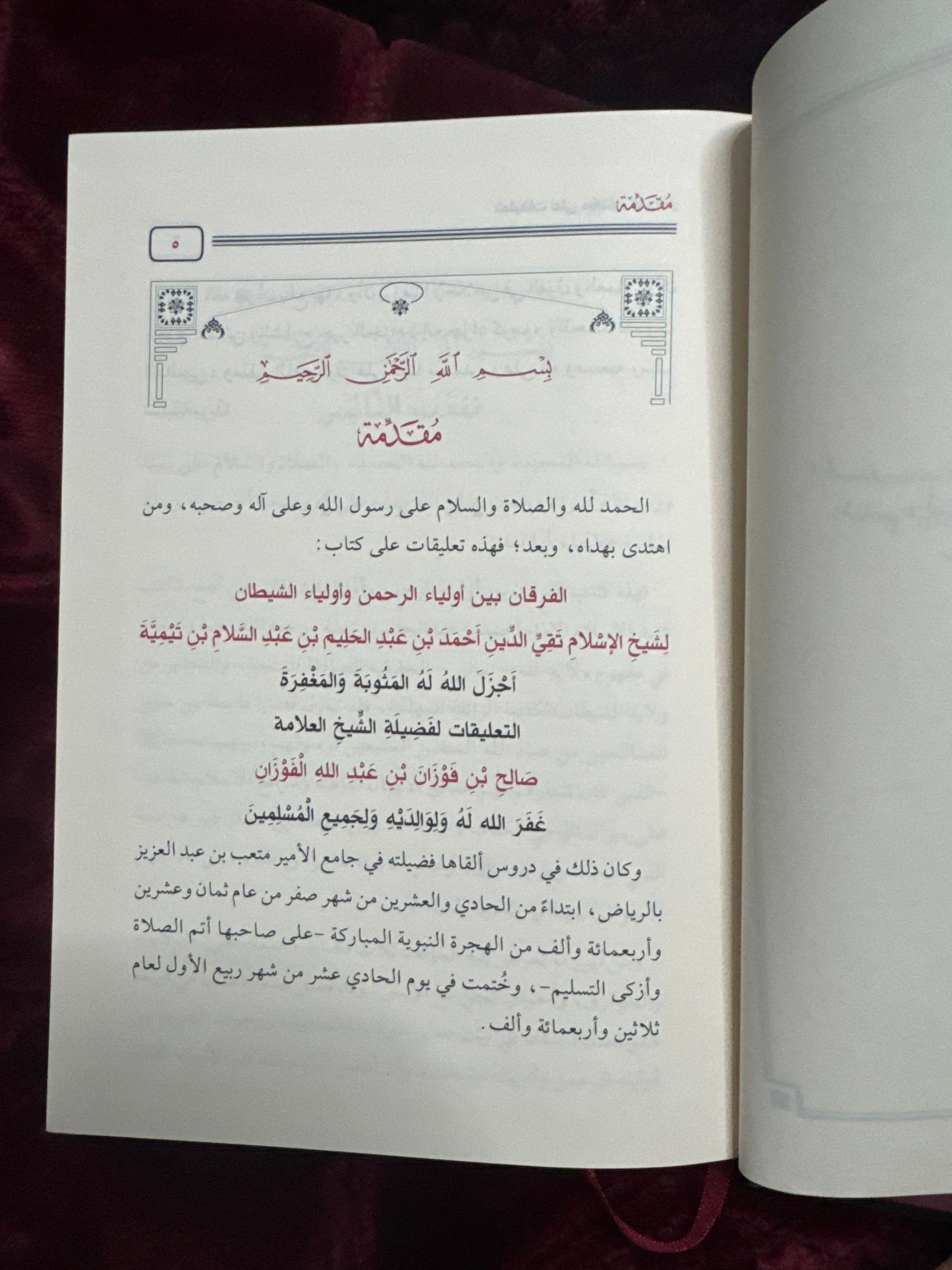
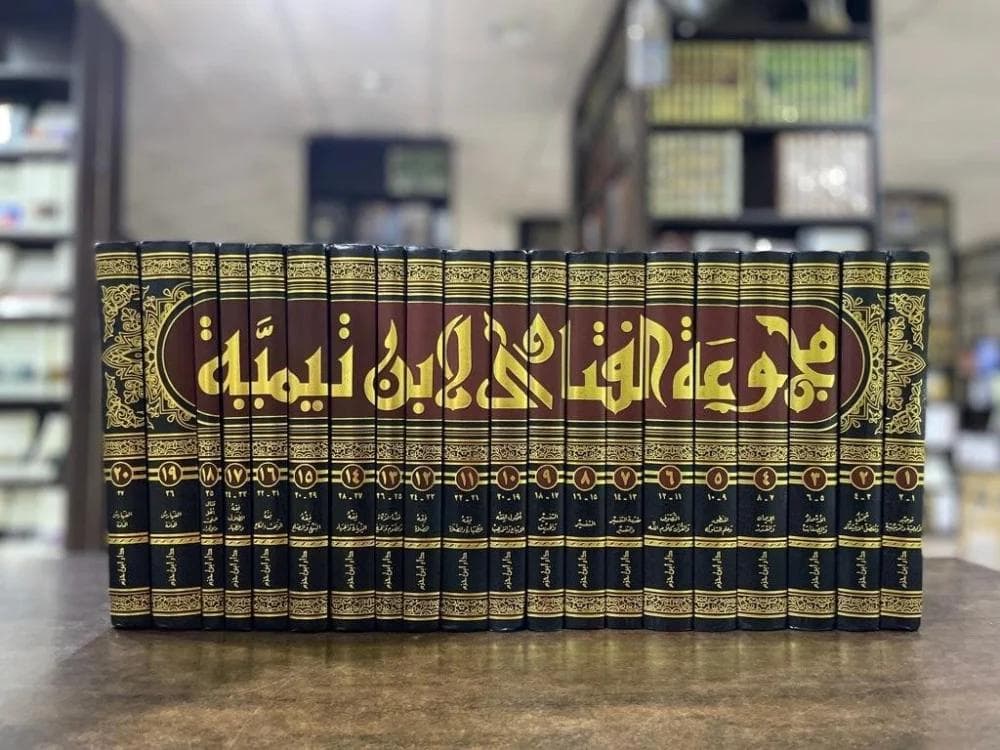
Most students who pick up a volume of Majmu' al-Fatawa for the first time have the same experience: they open looking for an answer, and find themselves twenty pages into a discussion of philosophy, historical sects, and the intellectual lineage of a question they thought would take a paragraph. They close the book more confused than when they opened it.
This isn't a flaw in the text. It's a misunderstanding of who Ibn Taymiyyah was and how he wrote — and once that's clarified, the books stop being frustrating and start being exactly what they are: some of the most thorough treatments in the entire Islamic tradition.
Who You're Actually Reading
Ibn Taymiyyah was a mujtahid who reached the furthest extent in his fields. When he addresses a question, he isn't drawing on a narrow specialty — he's drawing on a wide, deep base of knowledge that spans history, philosophy, and the intellectual roots of the issue itself.
That has a direct consequence for how he writes: don't expect short, direct answers. He doesn't summarize a position and move on. He absorbs the question from every angle it can be approached from — historical, philosophical, theological, linguistic — before he's satisfied he's actually answered it.
If you're used to concise fiqh manuals that state a ruling and cite a proof, this is a different kind of book entirely. It rewards patience, not skimming.
How His Books Were Actually Written
A second source of confusion is structural, and it matters for how you should approach the texts.
Most of his works are fatwas and responses — not organized academic treatises written cover to cover with a planned structure. Majmu' al-Fatawa itself isn't something he authored as a single work; it was compiled by Ibn al-Qasim, gathered from scattered answers, letters, and treatises written across his life in response to different questions at different times.
This explains two things students commonly get wrong:
- The assumption that the available compilations follow his own organizational method. They don't. They follow the compiler's arrangement of material that was never written as one continuous book.
- The assumption that his digressions are aimless. They're not wandering — he's deliberately exhausting every side of the issue before he considers it settled. What reads as a tangent is usually the actual argument.
Once you read him as a collection of occasioned responses rather than a structured curriculum, the digressions make sense, and the lack of a tidy outline stops feeling like a defect.
What You Need Before You Open His Books
Here's the part most guides skip: how much you get out of Ibn Taymiyyah is proportional to your own level. This isn't a writer you can read your way into from zero. Before working through his texts seriously, a student should have:
Command of the Arabic sciences — grammar (naḥw), morphology (ṣarf), and rhetoric (balāghah). His language assumes fluency, not familiarity.
Usul al-fiqh and the sciences of the Qur'an — without these, his legal and exegetical reasoning won't land; you'll catch the conclusion but miss how he got there.
A grounding in the principles of logic and rational theology ('ilm al-ma'qul) — much of his work is in direct conversation (and direct disagreement) with philosophers and theologians, and you need the vocabulary to follow the argument, not just the verdict.
A firm foundation in the 'aqidah of Ahl al-Sunnah before studying the beliefs of those he's refuting. He spends enormous space presenting and dismantling opposing positions in detail. A student without their own foundation set first risks absorbing the opposing view more clearly than the refutation of it.
Skipping this ladder is the single most common reason students find him "difficult." The difficulty isn't his writing — it's reading him before you have the tools the text assumes you already have.
The Practical Takeaway
If you're building toward serious study of Ibn Taymiyyah, the books to prioritize first aren't his — they're the foundational texts in grammar, usul al-fiqh, and 'aqidah that make his writing legible. Once those are in place, Majmu' al-Fatawa stops being an intimidating, disorganized mass and becomes what it actually is: a record of a mind that refused to give a question less than its full due.
---
🛒 Ready to browse or sell?
Visit M4KTABA.com to find foundational texts in Arabic grammar, usul al-fiqh, and 'aqidah, or explore works by and about Shaykh al-Islam Ibn Taymiyyah.
في امان الله.